Breast Reduction Topics

What Is Breast Reduction & When Is It Needed?

Breast reduction (reduction mammaplasty) is a surgical procedure that removes excess glandular tissue, fat, and stretched skin to reshape overly heavy, sagging breasts into a lighter, firmer contour in proportion with your body.

For most women visiting Dr. Hutchinson’s Upper East Side practice, the surgery is not merely cosmetic—it is a functional necessity to resolve daily physical limitations and discomfort caused by excessive breast weight:

  • Chronic Upper-Body Pain: Constant, tension-related strain across the neck, shoulders, and upper back, often accompanied by recurring headaches.
  • Shoulder Indentations: Painful, permanent grooving from tight bra straps struggling to support heavy breast mass.
  • Skin Irritation: Persistent rashes, chafing, and infections (intertrigo) in the inframammary fold under the breasts.
  • Compromised Mobility: Inability to run, work out, or participate in physical activities without severe discomfort or the need for multiple sports bras.
  • Postural Strain: A hunched stance or progressive spinal stress resulting from years of carrying excess forward weight.

By reshaping the breast tissue and elevating the nipple-areola complex to a natural position, the procedure restores both physical freedom and body confidence.

Book Your Personalized Consultation with Dr. Hutchinson

woman wearing lilac bra

What Does Breast Reduction Entail?

Breast reduction is an outpatient procedure performed under general anesthesia, typically taking 2 to 3 hours depending on tissue density and the specific technique chosen.

During surgery, Dr. Hutchinson focuses on structural reshaping rather than simple volume reduction:

  • Targeted Tissue & Fat Excision: Removes dense glandular tissue and excess fat to noticeably decrease overall volume and cup size.
  • Internal Sculpting & Tissue Lift: Reshapes the remaining natural breast tissue higher on the chest wall to achieve a perky, youthful contour without the need for implants.
  • Nipple-Areola Repositioning & Resizing: Elevates the nipple to a natural, forward-facing position while preserving vital nerve connections and blood supply (pedicle technique), and reduces stretched areolas to balance your new breast proportions.
  • Skin Redraping & Contouring: Removes stretched, sagging skin and redrapes the remaining skin envelope to provide firm, natural support with discreet incisions.

Most patients return home the same day to begin their recovery in the comfort of their own home.

Dr. Olivia Hutchinson: Recognized as a Top Breast Reduction Surgeon on the Upper East Side

Dr. Hutchinson is renowned as one of the top breast reduction surgeons in New York City. As an aesthetic Fellowship-trained, female board-certified plastic surgeon, she is widely respected by her peers and patients alike. She has proudly provided care to Manhattan’s Upper East Side for 20 years, and many consider her to be one of the best breast reduction surgeons in the area.

I had such an amazing experience with Dr. Hutchinson! After years of suffering with excessive back and shoulder pain, I finally decided to get a Breast Reduction. Naturally, I was extremely nervous to get the procedure… but within a moment of meeting Dr. Hutchinson I felt completely relaxed and knew I was in good hands! The day of my procedure, I felt an instant relief off of my shoulders after my surgery. Not to mention how FANTASTIC my breasts looked afterwards! I have absolutely no regrets of getting my Breast Reduction with Dr. Hutchinson. She is the best in town. She and her staff were always polite and immensely professional. I mostly appreciated the care I received once I went home, and after hours. Dr. Hutchinson and Lauren were always extremely responsive, no matter the hour or day of week. Her office always remained extremely clean, & comfortable which I found to be especially important during the pandemic. I could not thank Dr. Hutchinson enough for performing my surgery. It seriously changed my LIFE!

DarDra C., NYC

Woman looking in Mirror

Private Gallery Viewing

Your privacy is our utmost priority. Instead of publicly sharing breast reduction results, Dr. Hutchinson presents a private gallery of before-and-after photos during your consultation. This ensures you can explore real transformations in a secure and private setting, where your individual journey is treated with the utmost respect.

Your Breast Reduction Consultation

Before your breast reduction procedure, Dr. Hutchinson will meet with you to discuss your goals and expectations for surgery, as well as to inform you of the details of your chosen procedure. This discussion is very important in helping you achieve the precise results you desire. You will be seen in an elegant, quiet, and unhurried ambiance, and your procedure plan will be fully customized to your specific body and aesthetic goals. Your consultation with Dr. Hutchinson will include:

  • A comprehensive in person discussion with Dr. Hutchinson about your medical history
  • The opportunity to explain why you are unhappy with your breasts and what results you hope to achieve with the breast reduction
  • A detailed physical exam in which Dr. Hutchinson will assess your unique physical characteristics
  • Medical “before” photographs, which provide additional information when discussing your surgery
  • A discussion about your surgical options
  • The creation of a customized surgical plan designed just for you 
  • A discussion about what is required of you before and after the procedure
  • The opportunity to ask any questions you may have about breast reduction
  • An option to schedule your surgery if you decide to proceed

Dr. Hutchinson can help answer your questions. Schedule Your Consultation

The Physical Assessment

Dr. Hutchinson will go over specific details of your current breast size and physical characteristics. Factors that may impact your results include the following:

  • Your current breast size, including breast volume, the amount of breast sagging, the weight of your breasts, and the amount of fat and glandular breast tissue
  • The position of your nipples 
  • The size and shape of your areolas 
  • Your unique skin characteristics, such as the amount of excess skin you have and your skin quality (elasticity and tone)
  • Any breast scars from previous operations
  • Asymmetry in terms of breast volume, shape, and width

Am I a Good Candidate for Breast Reduction?

Most healthy adult women who experience physical discomfort or emotional self-consciousness due to excessively large, pendulous breasts are strong candidates for reduction mammaplasty.

During your consultation, Dr. Hutchinson confirms candidacy based on three primary factors:

  • Physical Readiness:
  • Fully developed breasts (post-puberty)
  • In overall good health, free from untreated active medical conditions
  • A non-smoker (or willing to stop nicotine products several weeks prior to surgery to ensure proper wound healing)
  • Not currently pregnant or nursing, and ideally at a stable, maintainable body weight

Symptomatic Need:

  • Persistent pain in the neck, shoulders, and upper back, unrelieved by supportive bras or physical therapy
  • Chronic skin breakdown, bra-strap indentations, or posture strain
  • Asymmetry where one breast is noticeably larger or heavier than the other

Realistic Goals:

  • Clear understanding of surgical scars (which fade significantly over time)
  • A primary goal of achieving balanced, proportionate breast size rather than aiming for an arbitrary, exact bra cup size
Logo media

Schedule An Appointment

Contact Us
woman wearing black dress and lipstick

Special Considerations: Adolescents & Breast Asymmetry

While most breast reduction patients are adults, Dr. Hutchinson frequently tailors the procedure to address two specific anatomical circumstances:

Adolescent & Teenage Patients:

Younger patients may be considered once breast development is fully complete (typically 2 to 3 years post-puberty). Severe macromastia in adolescents can interfere with sports, cause postural deformities, and create significant psychological distress during formative years. Candidates must demonstrate physical and emotional maturity, parental consent, and a clear understanding of the recovery process.

Significant Breast Asymmetry:

Most women have minor variations in breast shape and volume, but severe asymmetry, where one breast is noticeably larger, heavier, or lower than the other, can make bra and clothing fit nearly impossible. Dr. Hutchinson can perform a unilateral (single-breast) reduction or combine a reduction on the larger side with a breast lift on the smaller side to achieve balanced, natural symmetry.

Logo media

Preparing for Your Breast Reduction Surgery

Thorough preparation ensures a safe procedure, smooth anesthesia experience, and optimal scar healing. Prior to your surgery at our accredited Upper East Side surgical facility, Dr. Hutchinson and our clinical team provide a personalized pre-operative roadmap:

Medical Clearance & Imaging:

Depending on your age, family history, and breast tissue density, a baseline pre-operative mammogram or ultrasound is required. You will also complete routine bloodwork and obtain medical clearance from your primary care physician.

Medications & Supplement Guidance:

You will receive a clear list of substances to pause 2 to 3 weeks prior to surgery. This includes blood-thinning medications (aspirin, ibuprofen, NSAIDs) and common supplements that elevate bleeding risk (vitamin E, fish oil, ginkgo biloba).

Nicotine & Smoking Cessation:

Because nicotine severely restricts microvascular blood flow—increasing the risk of delayed healing, wound breakdown, or compromised nipple blood supply—patients must completely avoid smoking, vaping, and nicotine patches for at least 4 to 6 weeks before and after surgery.

Day-of-Surgery Logistics:

Fast starting at midnight prior to your procedure, arrange for a responsible adult companion to escort you home safely, and prepare comfortable, front-buttoning or front-zip clothing that avoids lifting your arms over your head.

Schedule Your Consultation with Dr. Hutchinson

Breast Reduction Surgical Techniques & Incision Options

Dr. Hutchinson customizes each procedure with incision patterns tailored to your breast volume, glandular density, skin elasticity, and aesthetic goals. Every approach prioritizes natural breast symmetry, concealed scarring, and the preservation of blood supply and sensation to the nipple-areolar complex.

Banner media

1. Vertical "Lollipop" Breast Reduction (Short-Scar)

Incision Pattern: Encircles the areola and extends vertically down to the natural breast crease, omitting the traditional horizontal scar.

How It Works: Excess glandular tissue and skin are removed from the lower and lateral sections, reshaping the remaining tissue internally to project a firmer, perkier contour. The nipple is elevated, and the areola is resized.

Best Suited For: Patients seeking a moderate volume reduction, as well as younger or adolescent patients whose primary goal is to minimize visible scarring.

2. Traditional Inverted-T Breast Reduction (Anchor Pattern)

Incision Pattern: Encircles the areola, travels vertically to the crease, and continues horizontally along the natural inframammary fold.

How It Works: Provides optimal surgical exposure to remove significant amounts of heavy glandular tissue, fat, and redundant skin while safely repositioning the nipple-areola complex higher on the chest wall.

Best Suited For: Women with excessively large, heavy breasts and pronounced sagging (ptosis) requiring significant volume reduction and maximum symptom relief. Scars fade significantly over time and are concealed by standard bra underwires and swimwear.

3. Liposuction-Assisted Breast Reduction

Incision Pattern: Tiny, discrete micro-incisions hidden beneath the breast fold.

How It Works: Uses gentle cannula suction to extract fatty breast tissue without cutting skin or altering the nipple-areolar complex. Final contouring depends on the skin’s natural elasticity to contract and retract around the reduced volume.

Best Suited For: Patients who desire a subtle to moderate reduction, have predominantly fatty rather than dense glandular tissue, maintain excellent skin tone, and do not require nipple lifting or skin excision.

Background media

Breast Reduction Recovery Timeline & Healing

Recovery following breast reduction is typically smoother and less painful than most patients anticipate. Because Dr. Hutchinson utilizes meticulous surgical techniques with dissolvable sutures and avoids routine surgical drains, post-operative care is focused on gentle healing and tissue support.

Here is what to expect during your recovery:

Days 1 to 3 (Immediate Post-Op):

Mild soreness, swelling, and bruising are well-managed with prescribed pain medication and over-the-counter options. You will wear a supportive surgical recovery bra continuously to minimize swelling and support the newly contoured tissues. Light walking around your home is encouraged from day one to stimulate circulation.

Week 1 (Initial Follow-Up & Return to Desk Work):

You will visit Dr. Hutchinson at our Upper East Side office for your first post-operative checkup. Most swelling begins to stabilize, and sutures dissolve naturally. Most patients feel comfortable returning to remote desk work or non-strenuous office duties within 7 to 10 days.

Weeks 2 to 4 (Expanding Daily Routine):

Bruising continues to fade, and overall comfort significantly improves. You may resume light daily walking and gentle urban commuting, but must avoid heavy lifting (over 10–15 lbs), pushing, pulling, and raising your elbows above shoulder height.

Weeks 6 and Beyond (Full Clearance):

Dr. Hutchinson typically clears patients to resume high-impact cardio, running, gym workouts, and underwire bras at 6 weeks. Incision lines will continue to mature, flatten, and soften over the next 6 to 12 months.

Background media

Surgical Safety, Risks & Revision Procedures

While breast reduction is considered one of the safest aesthetic surgical procedures with an exceptionally high patient satisfaction rate, choosing a board-certified plastic surgeon minimizes surgical complications.

Complication Mitigation

Standard surgical risks include bleeding, infection, altered nipple sensation, asymmetry, delayed wound healing, and potential limitations with future breastfeeding. Operating in an accredited AAAASF surgical facility alongside board-certified MD anesthesiologists, combined with conservative pedicle-preserving techniques, significantly reduces these risks.

Secondary & Revision Surgery

Patients who have undergone previous reductions elsewhere with unsatisfactory volume, residual asymmetry, or widened scars may be candidates for revision breast reduction. Dr. Hutchinson evaluates existing internal scar tissue and vascular viability to carefully refine the shape, re-elevate the tissue, and safely revise scars.

Background media
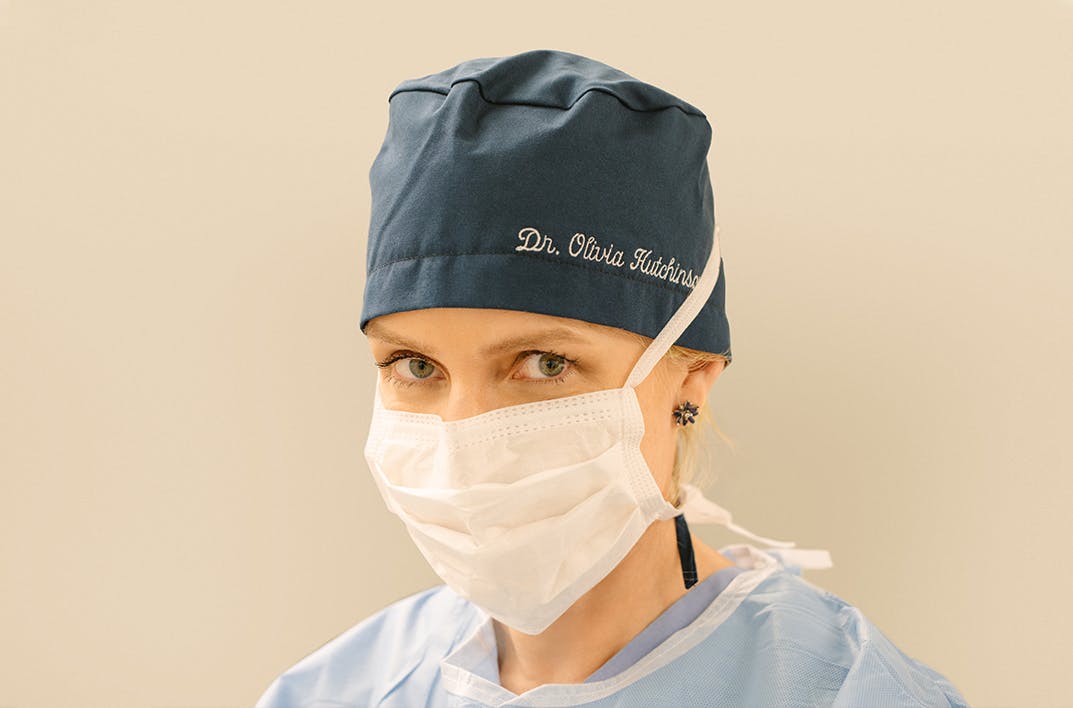
Dr. Olivia Hutchinson in surgical attire
Dr. Olivia Hutchinson's surgical practice in Upper East Side
Dr. Olivia Hutchinson's surgical practice in Upper East Side - 5

Why Choose Dr. Olivia Hutchinson for Breast Reduction

Dr. Olivia Hutchinson combines over two decades of aesthetic surgical experience with an empathetic, personalized approach to help women achieve lasting physical relief and a more natural breast contour.

  • Board-Certified Female Plastic Surgeon: Certified by the American Board of Plastic Surgery, Dr. Hutchinson is sought out by patients who prefer the perspective, comfort, and nuanced aesthetic eye of a female surgeon.
  • MEETH Aesthetic Fellowship Trained: Trained at the Manhattan Eye, Ear & Throat Hospital, she specializes in advanced tissue-sculpting and short-scar techniques that minimize visible markings.
  • Private Accredited Surgical Suite: Outpatient procedures take place in our fully accredited Quad-A (AAAASF) operating facility on the Upper East Side, offering hospital-grade safety with absolute privacy.
  • Direct, Concierge-Level Care: Every evaluation, surgical plan, and post-operative visit is handled directly by Dr. Hutchinson with 24/7 recovery support.

Related Resources

Cosmetic Procedures for the Nipples and Areolas

In this American Society of Plastic Surgeons article, Dr. Olivia Hutchinson explores various cosmetic procedures designed to enhance the appearance of the nipples and areolas.

Read the Full Article Here

Breast Reduction FAQs

Can I breastfeed after a breast reduction in New York?

What cup size will I be after a breast reduction?

Can liposuction of the side chest be combined with breast reduction?

How should I protect my breast reduction scars from the sun?

Am I too old for breast reduction surgery?

How much breast tissue is typically removed during surgery?

Will my insurance cover breast reduction surgery with Dr. Hutchinson?

How long is the recovery period before returning to work and exercise in NYC?

Will I lose nipple sensation after a breast reduction?

Can I breastfeed after a breast reduction in New York?

Many women can still breastfeed after breast reduction, though milk supply may be lower and some cannot nurse at all. It depends on how much tissue is removed and whether the milk ducts stay connected to the nipple. If breastfeeding matters to you, tell Dr. Hutchinson so she can factor it into your surgical plan.

What cup size will I be after a breast reduction?

Cup sizes vary widely between bra brands, so Dr. Hutchinson focuses on proportion rather than promising a specific letter. Your final size depends on your frame, your tissue composition, and how much tissue can be removed safely while protecting nipple blood supply. Bringing goal photos to your Upper East Side consultation helps guide planning.

Can liposuction of the side chest be combined with breast reduction?

Yes. Many patients have fullness extending toward the underarm that a reduction alone doesn’t address. Adding liposuction to the lateral chest during your breast reduction in NYC can smooth the transition from breast to torso, which improves how fitted clothing and swimwear look, without a separate recovery.

How should I protect my breast reduction scars from the sun?

New scars can darken with UV exposure, which makes them more noticeable over the long term. Keep incisions covered during the first year, especially through New York summers, and apply sunscreen once Dr. Hutchinson confirms they’ve fully healed. Silicone gel or sheets may also help scars flatten and fade.

Am I too old for breast reduction surgery?

There’s no upper age limit for breast reduction. Many women in their 50s, 60s, and beyond seek relief from years of back and shoulder discomfort. Overall health matters more than age, so Dr. Hutchinson coordinates medical clearance and breast imaging to ensure your breast reduction on the Upper East Side is performed safely.

How much breast tissue is typically removed during surgery?

Reductions typically remove between 300 to over 1,000 grams (approximately 0.7 to 2.2 pounds) per breast, reducing cup size by two to four sizes depending on your frame, aesthetic preferences, and tissue density.

Will my insurance cover breast reduction surgery with Dr. Hutchinson?

Dr. Hutchinson is an out-of-network provider focused on achieving optimal cosmetic shaping alongside functional pain relief. We provide you with complete medical documentation and Superbills with standard CPT coding to submit to your insurance carrier for eligible out-of-network benefits.

How long is the recovery period before returning to work and exercise in NYC?

Most patients working desk jobs return to work within 7 to 10 days. Light walking is encouraged from day one, while running, gym workouts, and heavy subway commuting must be avoided for 4 to 6 weeks to protect healing incisions.

Will I lose nipple sensation after a breast reduction?

In the vast majority of cases, nipple sensation is preserved using specialized pedicle techniques that maintain the natural nerve pathways and blood supply. Minor temporary numbness or heightened sensitivity during the first few weeks of healing is normal.

Contact us media
Accessibility: If you are vision-impaired or have some other impairment covered by the Americans with Disabilities Act or a similar law, and you wish to discuss potential accommodations related to using this website, please contact our Accessibility Manager at 212-452-1400.

Model images are used throughout the site and may not represent actual patients.

Contact Us